
Understanding Metabolism
Your metabolism is the biochemical process by which your body converts what you eat and drink into energy. During this complex process, calories in food and beverages are combined with oxygen to release the energy your body needs to function. Even at rest, your body needs energy for all its 'hidden' functions, such as breathing, circulating blood, adjusting hormone levels, and growing and repairing cells.
1. Stay Hydrated with Water
Water is essential for every bodily function, including metabolism. Studies show that drinking 17 ounces (500ml) of water can increase resting metabolism by 10-30% for about an hour afterward. This effect may be even greater if you drink cold water, as your body uses energy to heat it to body temperature.
- Drink a glass of water first thing in the morning
- Keep a water bottle with you throughout the day
- Add lemon, cucumber, or mint for flavor if desired
- Drink a glass before meals to help with portion control
2. Eat Enough Protein at Every Meal
Protein causes the largest rise in the thermic effect of food (TEF) — the energy required to digest, absorb, and process nutrients in your food. Protein can boost your metabolism by 15-30%, compared to carbs (5-10%) and fat (0-3%).
Aim for 20-30% of your daily calories from protein to maximize metabolic benefits.
3. Incorporate Strength Training
Muscle tissue is metabolically more active than fat tissue. Building muscle through strength training can help increase your resting metabolic rate, meaning you'll burn more calories even when you're not exercising.
4. Get Quality Sleep
Lack of sleep is linked to a major increase in the risk of obesity. This may partly be caused by the negative effects of sleep deprivation on metabolism. Poor sleep has also been linked to increased blood sugar levels and insulin resistance, both of which are associated with a higher risk of type 2 diabetes.
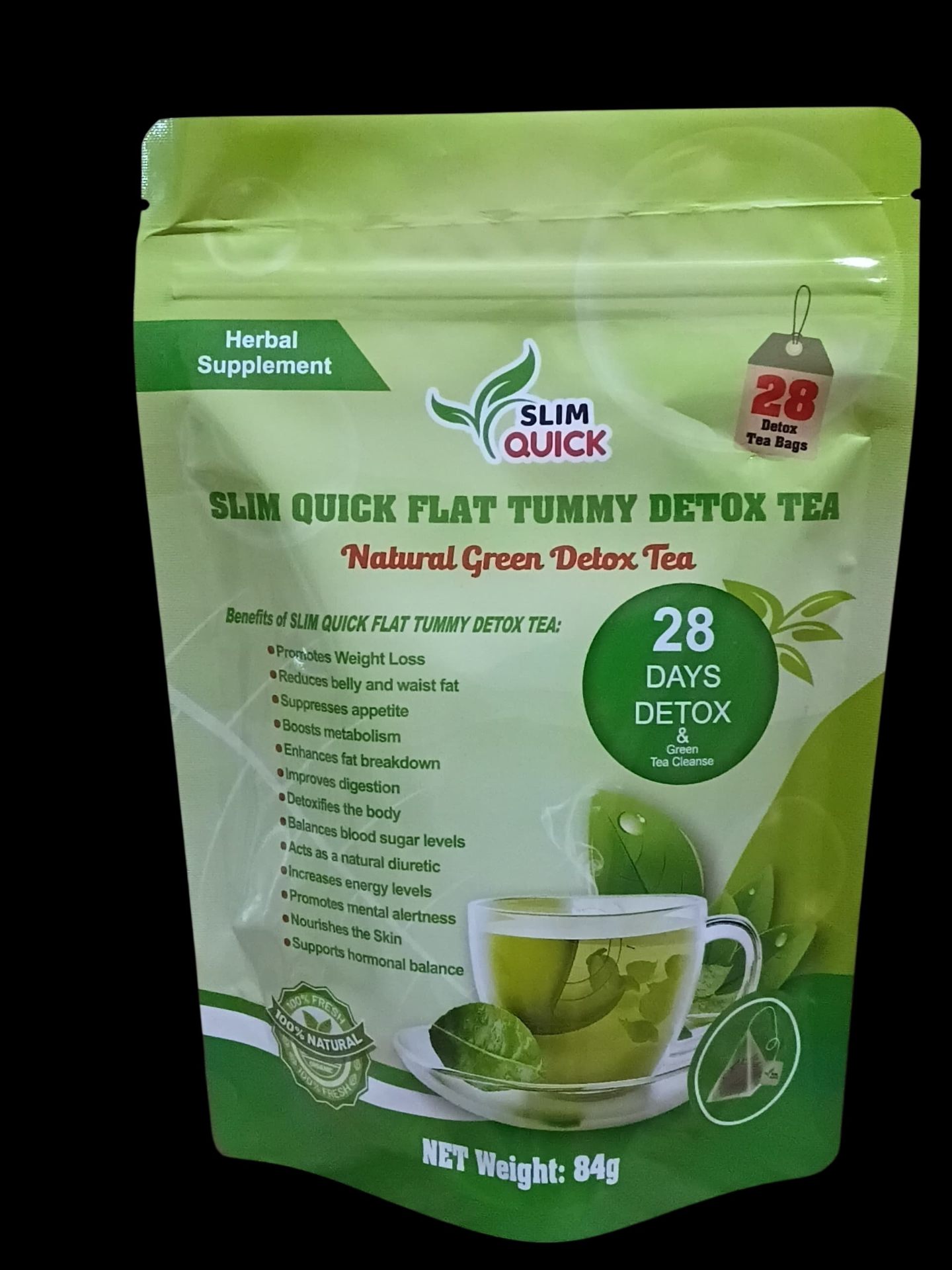
5. Drink Green Tea or Oolong Tea
Green tea and oolong tea have been shown to increase metabolism by 4-5%. These teas help convert some of the fat stored in your body into free fatty acids, which may increase fat burning by 10-17%.
6. Stand Up More
Too much sitting can negatively affect your health. Studies show that prolonged sitting burns fewer calories and can lead to weight gain. If your job involves sitting, try standing for short periods or take short walking breaks throughout the day.
7. Include Spicy Foods in Your Diet
Capsaicin, a compound found in spicy foods like chili peppers, can boost metabolism slightly. While the effect may be small, it could add up over time, especially when combined with other metabolism-boosting strategies.
Conclusion
Making small, sustainable changes to your lifestyle can significantly impact your metabolism over time. Remember, there's no magic bullet for weight loss — it requires a combination of healthy eating, regular physical activity, adequate sleep, and proper hydration. At Slim Quick DIETS, we're committed to helping you achieve your wellness goals through natural, evidence-based approaches.